
Christmas according to the Bible
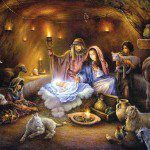 Chaque année, des milliards des gens à travers la planète célèbrent la fête de Christmas, mais peu d’entre eux soulignent la naissance de l’enfant Jesus. Fixée au 25 décembre, cette date n’est que purement conventionnelle, car historiquement parlant, le jour et l’année de la naissance de Jésus de Nazareth ne sont nullement connus. Même les Évangiles ne fournissent aucune précision quant à cette supposée date de naissance. En fait, aux temps anciens, le 25 décembre correspondait plutôt au solstice d’hiver. Cependant, même cette date s’avère encore une fois erronée, puisque l’astronome qui la fixa commit une grave erreur en l’établissant avec un ou deux jours de retard.
Furthermore, no Christian text mentions the exact date of Jesus' birth. Furthermore, among the four evangelists, two of them, Matthew and Luke, refer to the birth of the child, but again, they do not specify a date. As for Mark, the oldest of the evangelists, he rather approaches the subject by announcing good news, but nothing more. Of course, anyone who leafs through the Bible can read the account of the circumstances surrounding the child's arrival. It also mentions the revelation made by the prophet Isaiah, who specifies the birthplace as the city of Bethlehem in Judea, but the allusions end there.
However, since Christmas means birthday in Latin, we can therefore assume that the birth of the baby Jesus originates from this expression. If Matthew does not mention the Magi and the shepherds, and Luke only speaks of the angels singing the glory of God, without mentioning the star above the cave, nor the ox and the donkey, we can only conclude that the mystery surrounding the birth of Jesus will always remain complete.